About JRF
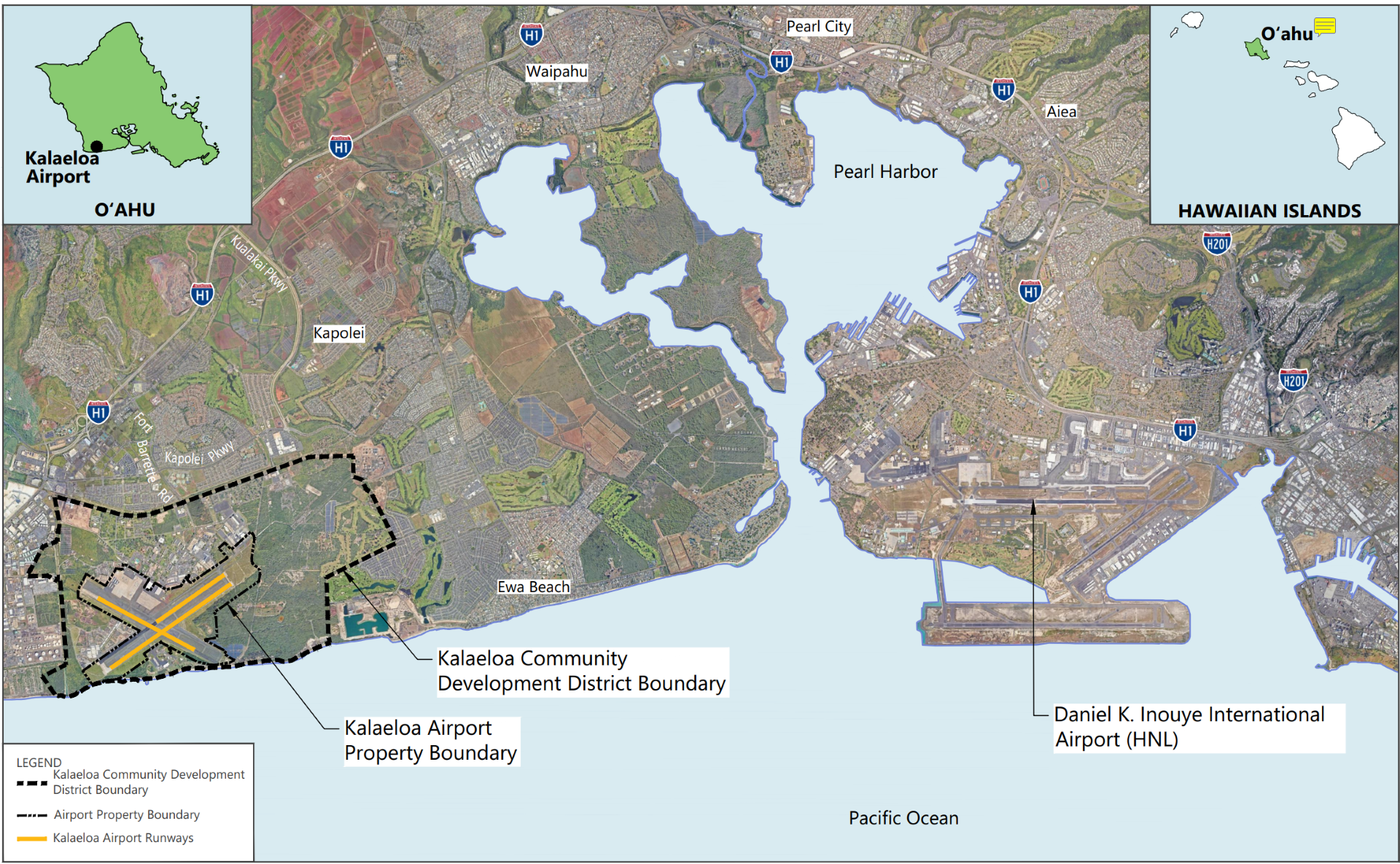
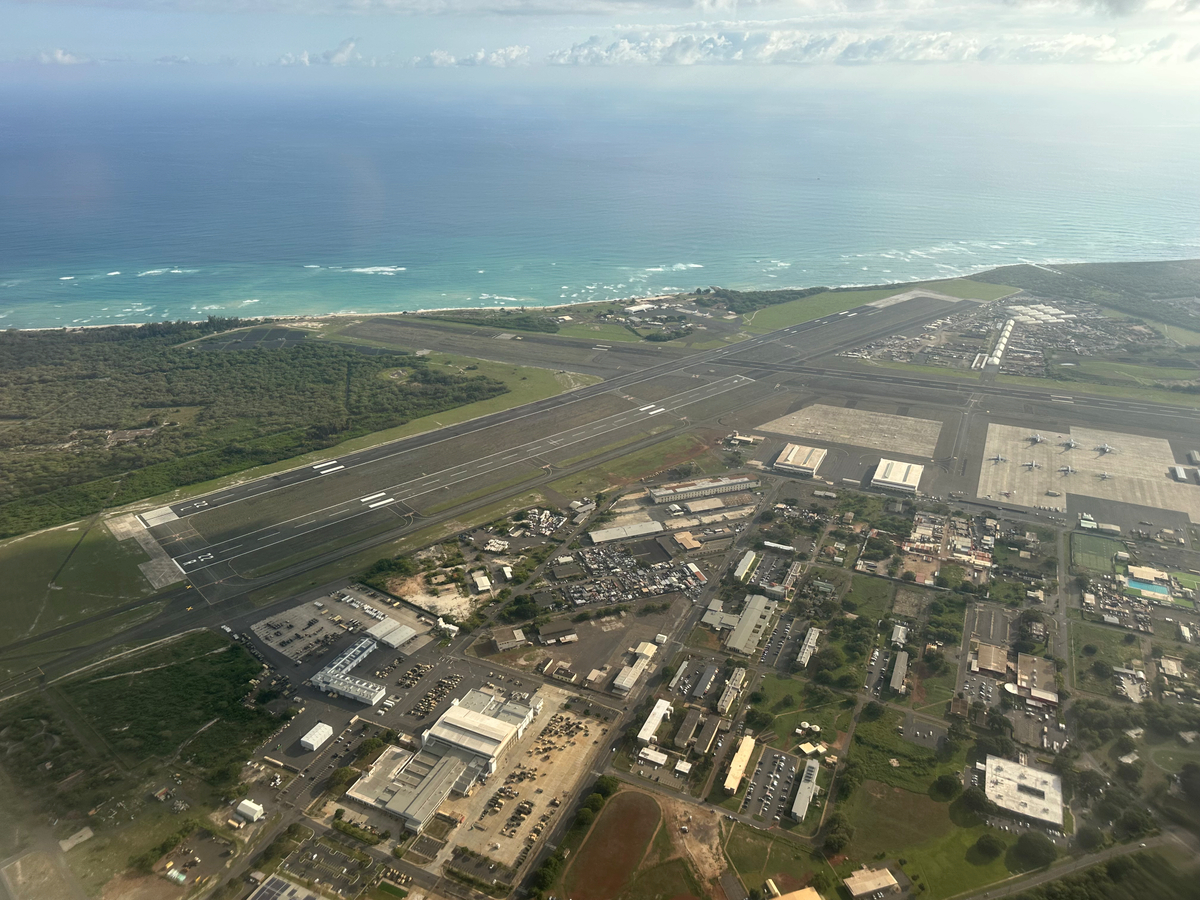
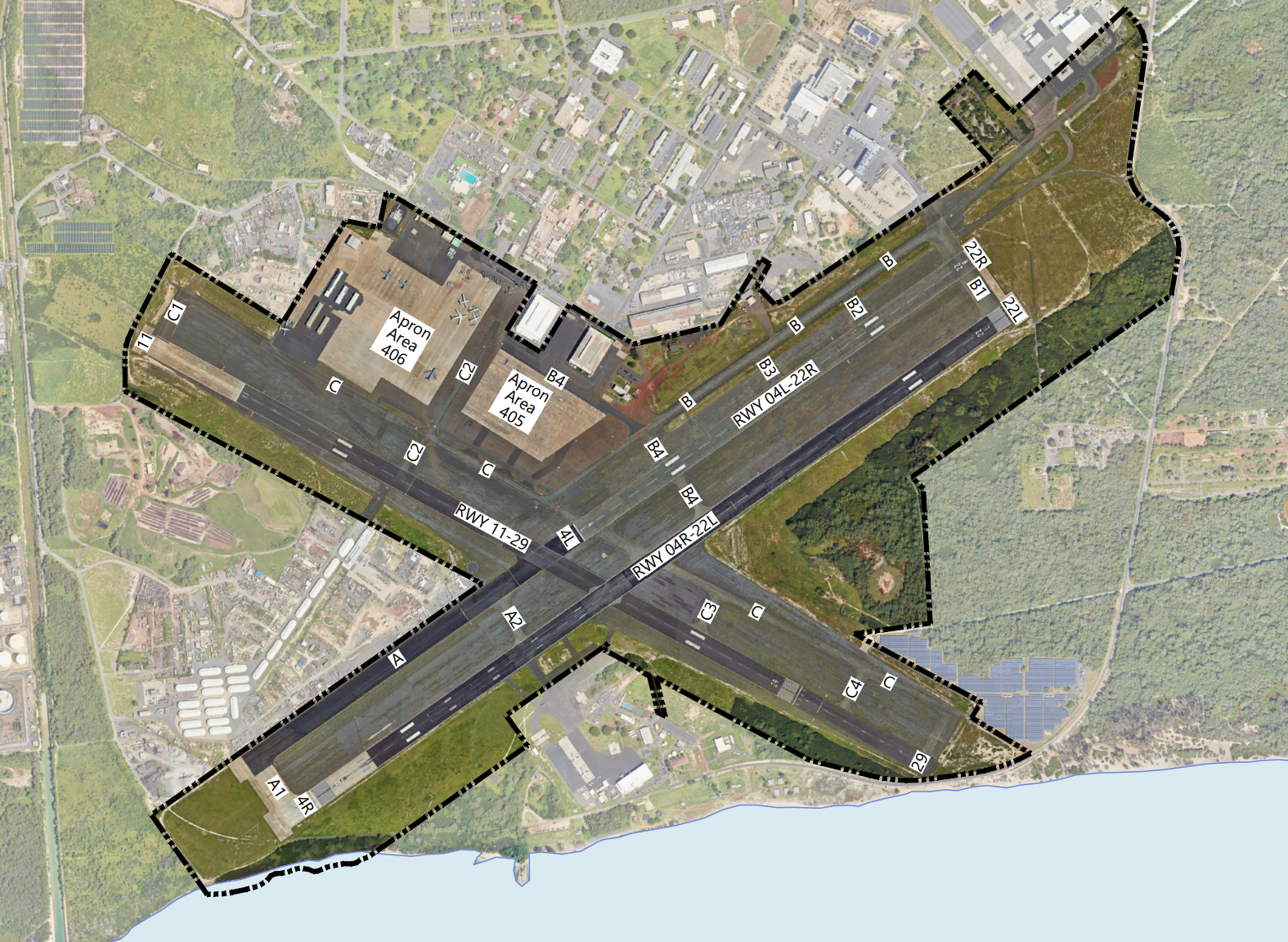
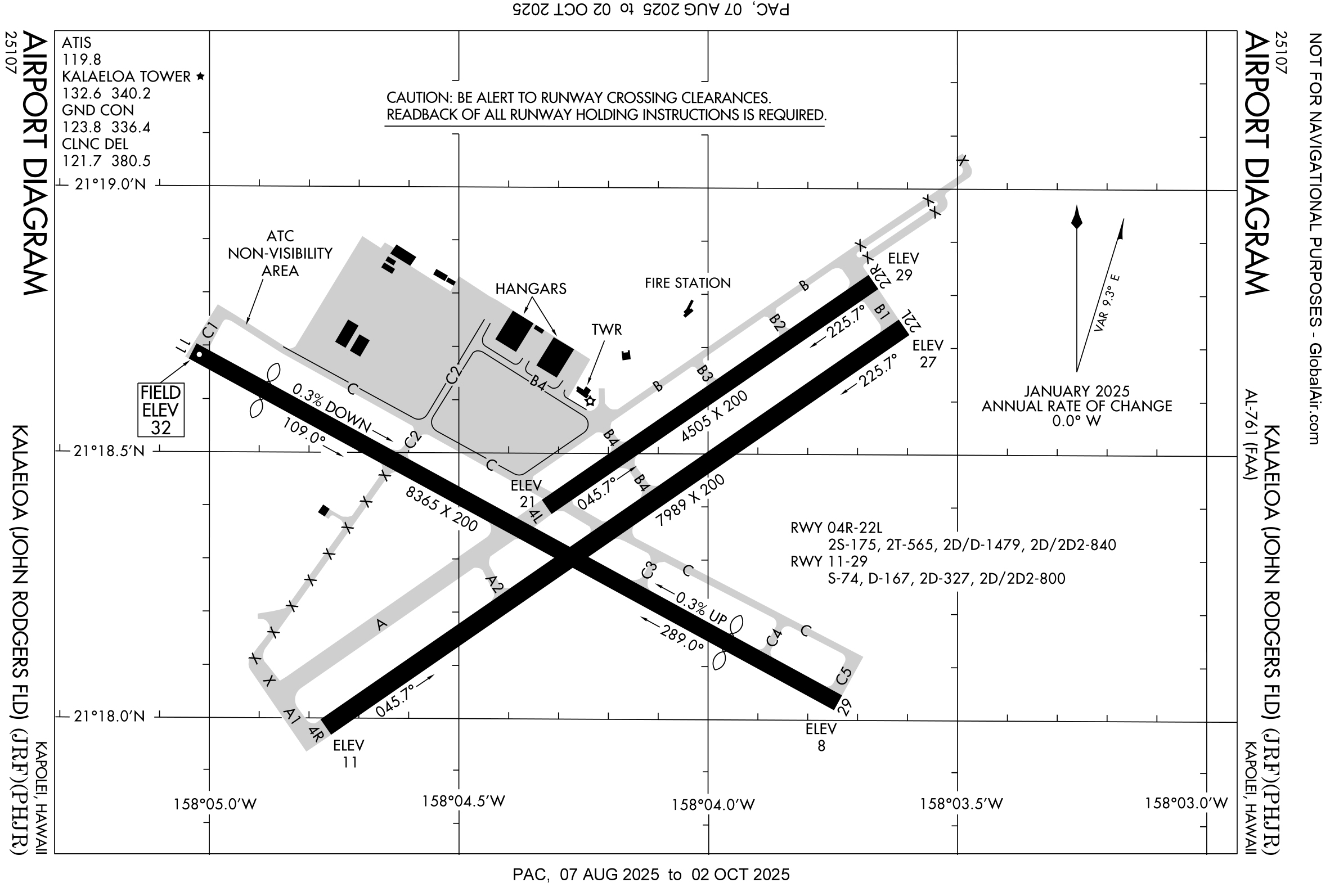
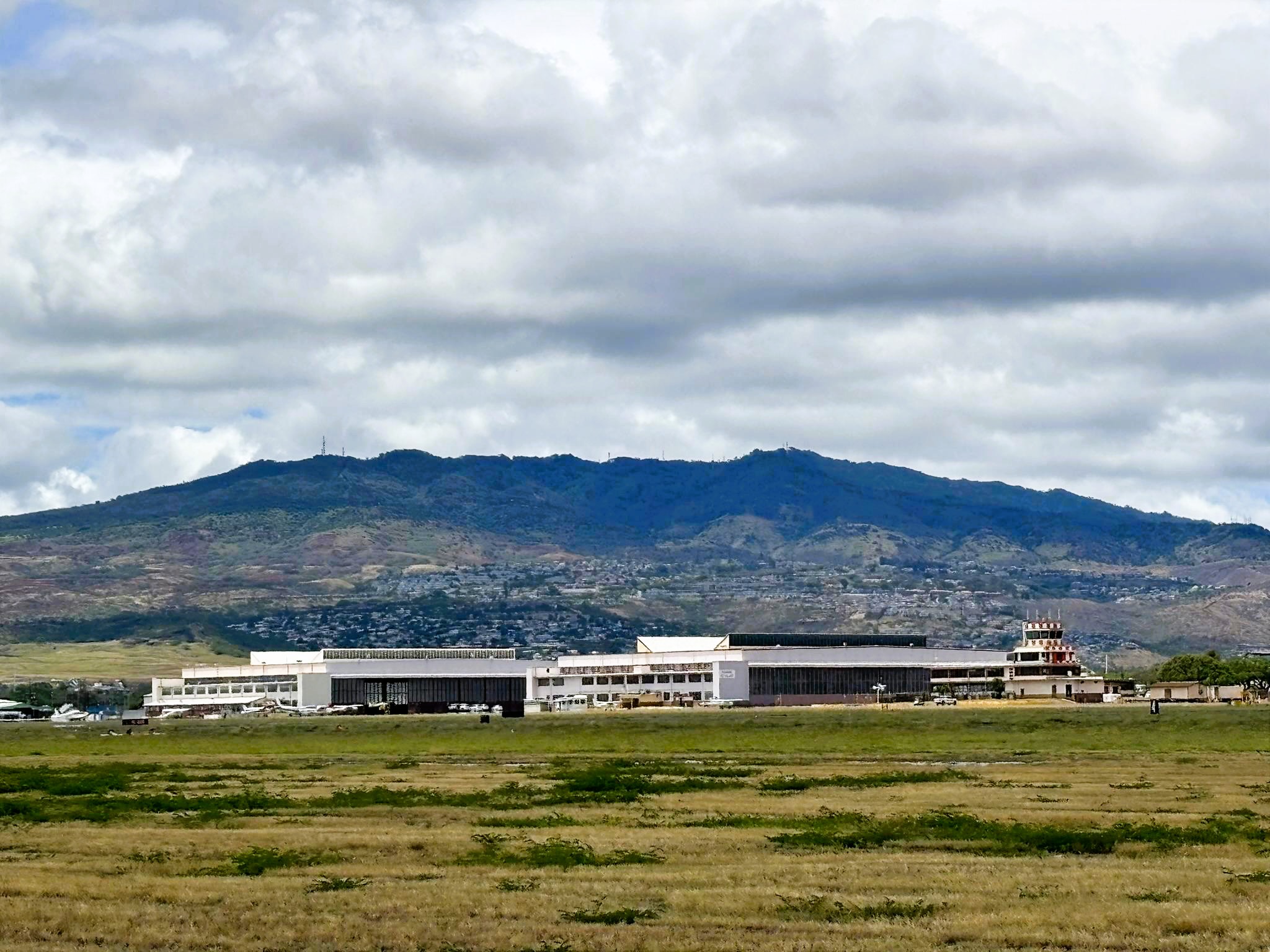
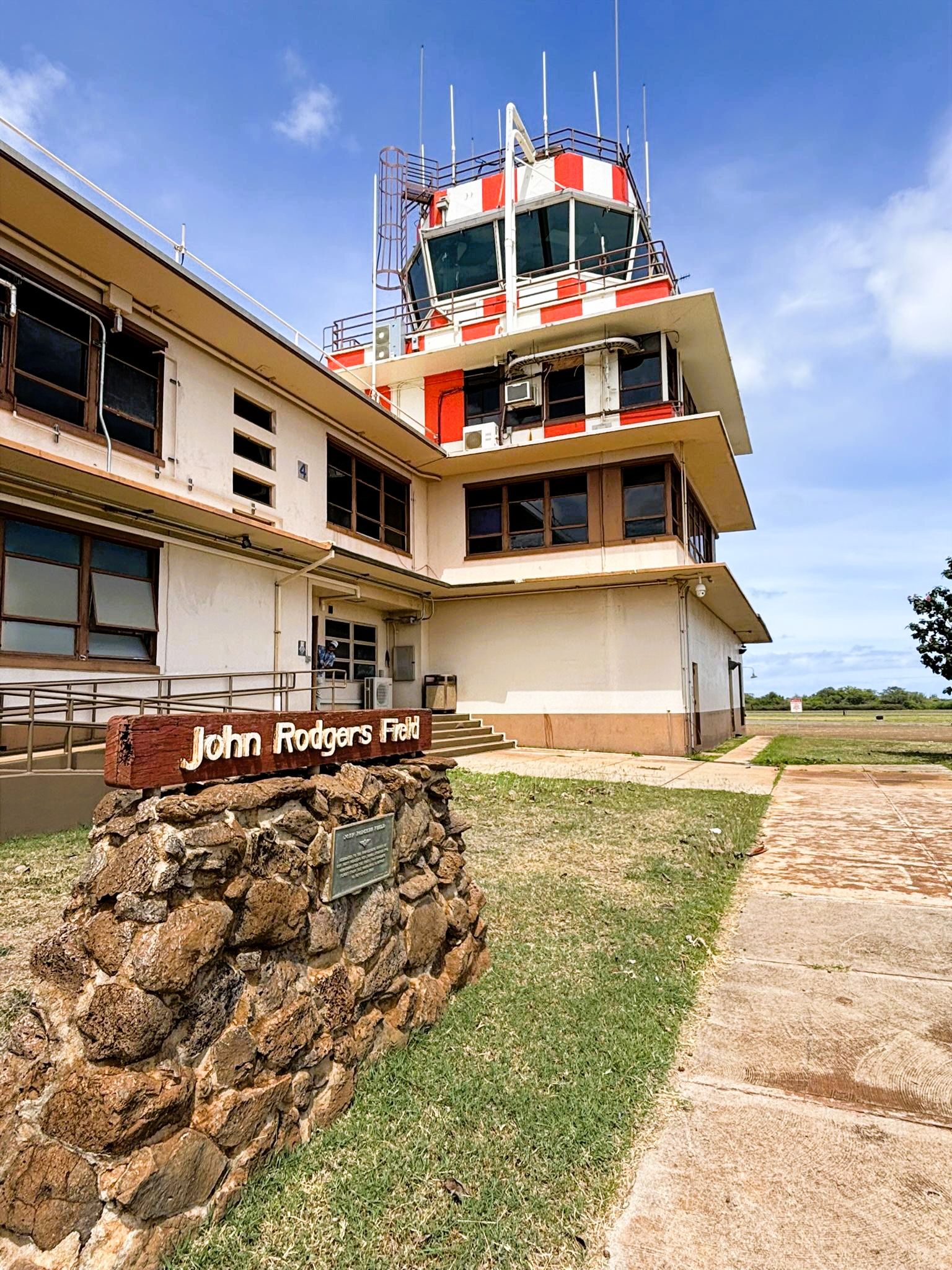
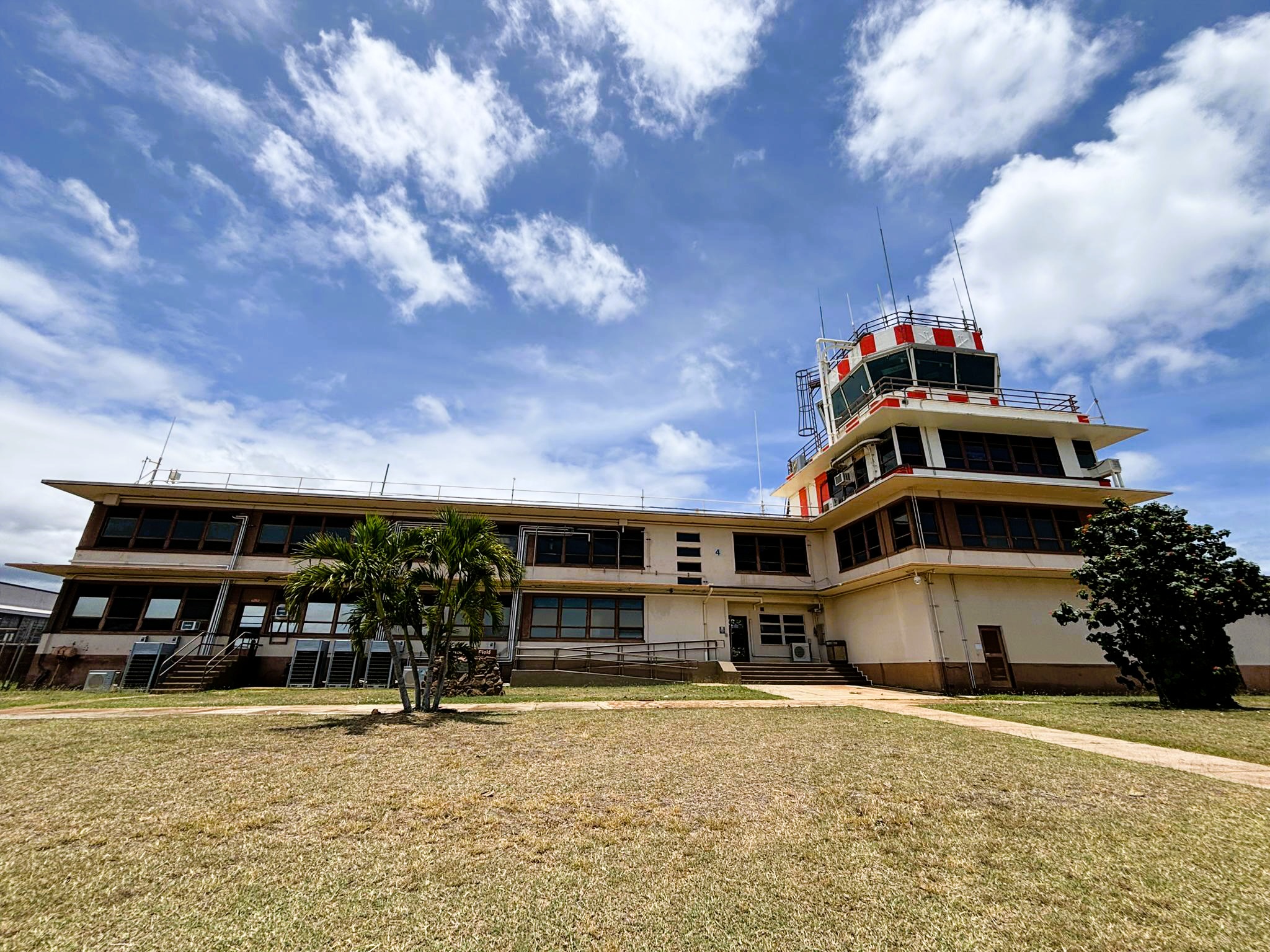
Kalaeloa Airport, also known as John Rodgers Field (JRF), is located on a 808-acre parcel within the Kalaeloa community development district under the responsibility of the Hawaii Community Development Authority (HCDA). It was conveyed to the State of Hawaii Department of Transportation (HDOT) under a public benefit conveyance. JRF is approximately 8 nautical miles west of the Daniel K. Inouye International Airport (HNL) and approximately 12 nautical miles west of Downtown Honolulu.
History
Kalaeloa means “long point” in the Hawaiian language. It is a place of significance in Native Hawaiian heritage as it was a legendary birthplace and burial ground of Hawaii’s Kings, encompassing a unique pre-contact archaeological cultural landscape. In addition, many historical developments occurred in Kalaeloa, including the production of sugar cane in the 1800s, military developments by the US Navy in the early 1900s, and military expansion in the 1940s due to World War II (WWII).
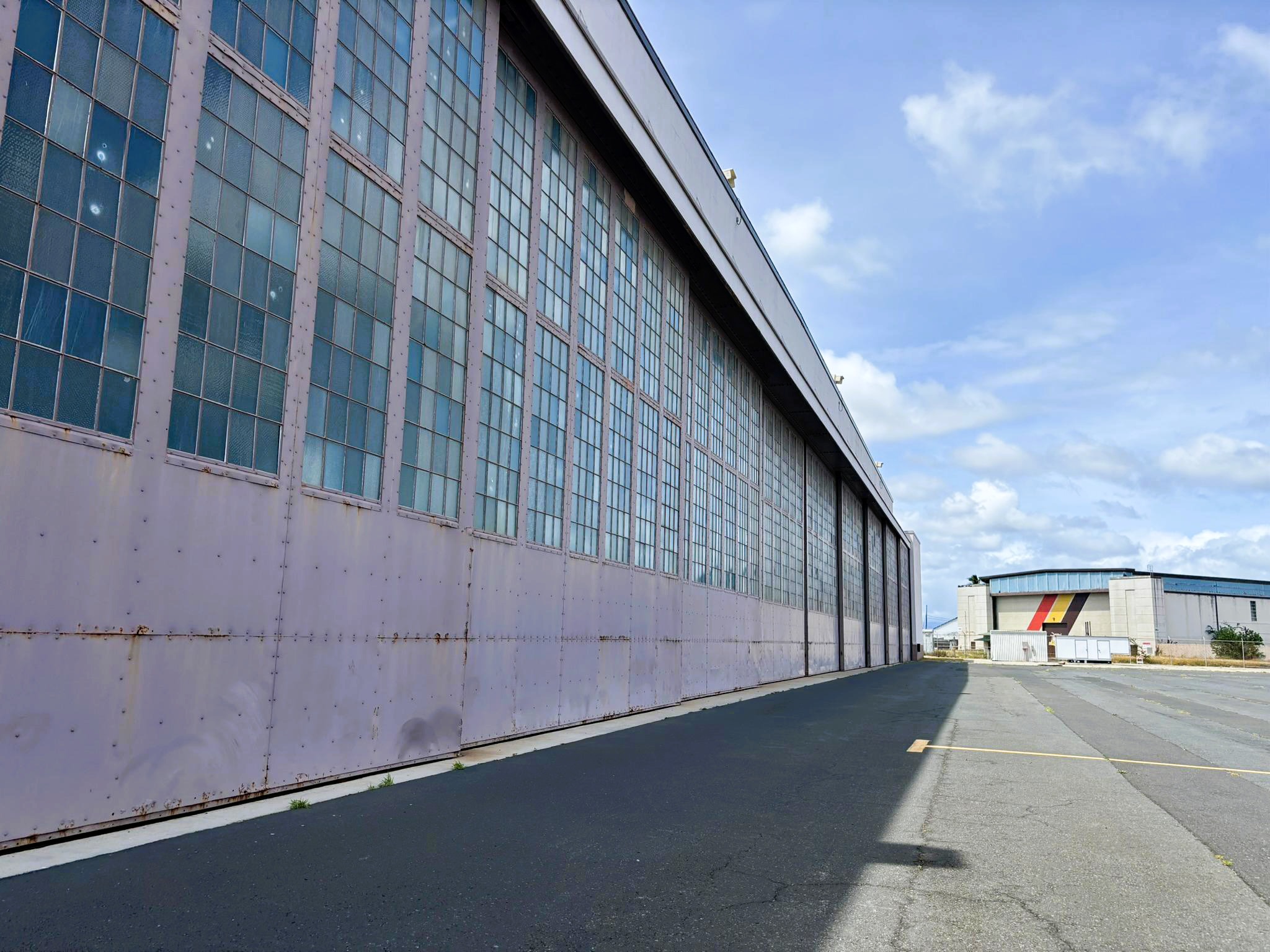
Kalaeloa is sometimes referred to as Barbers Point in reference to a voyage led by Captain Henry Barber that culminated in the 1796 shipwreck of the British brig Arthur. The US Navy developed Kalaeloa by expanding the Ewa Field as the Marine Corps Air Station (MCAS) in 1940 and constructed the Naval Air Station Barbers Point (NASBP), which was commissioned in 1942. Despite its strategic importance throughout WWII and in the four decades that followed, in 1993, the US Congress authorized closure of the NASBP at the recommendation of the Department of Defense. When NASBP officially closed on July 2, 1999, it was not until 2002 that the NASBP was transferred from the NASBP Redevelopment Commission to the HCDA when Governor Benjamin Cayetano signed Senate Bill 2702 or Act 184.
The Kalaeloa Community Development District covers 3,695 acres of land within the Ewa Plains in the southwest portion of the island of Oahu, Hawaii, and is bounded by predominantly single-family residential development to the north and east and by Campbell Industrial Park to the west. Land within the Kalaeloa District are owned by government agencies (federal, state, and county) and various private landowners. HDOT owns approximately 808 acres, or 22 percent, of the total 3,695 acres of the Kalaeloa District. HDOT acquired the land on July 1, 1999, to be used as a general aviation reliever airport to HNL. This acquisition was vital to HNL, as the US Navy planned to close the Ford Island Auxiliary Landing Field Runway, located in Pearl Harbor, in 1999. This would have forced aircraft to use HNL for training operations, resulting in air traffic congestion and operational delays for air carriers.
Airport Role
The last Airport MPU was published in November 1998. It was completed with the assistance of the NASBP Redevelopment Commission to determine the combination of airport facilities for all aviation users, including the Hawaii National Guard (HNG), which includes the Hawaii Air National Guard (HIANG) and the Hawaii Army National Guard (HIARNG), and the USCG.
JRF is included in the Federal Aviation Administration’s (FAA) National Plan of Integrated Airport Systems (NPIAS) and is classified serves as the reliever airport to Daniel K. Inouye International Airport (HNL). This means it helps relieve congestion at HNL. Kalaeloa Airport supports general aviation pilot training operations, and recreational aviation activities while also supporting the Hawaii Air National Guard (HIANG) and the U.S. Coast Guard (USCG).